Log Preparation
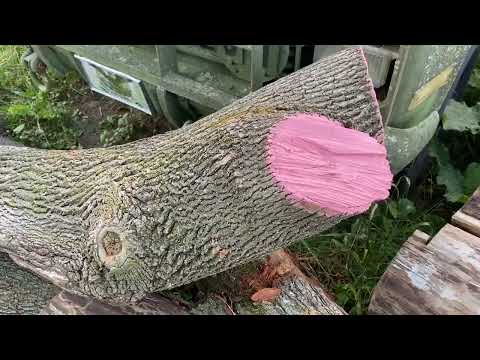
Why We Paint Log Ends — Moisture & Checking Control
Why we paint and seal the ends of hardwood logs to control moisture loss and prevent splitting.
Watch filmGet to know John Haling, his background, and what goes into custom sawmilling, reclaimed hardwood recovery, and slab preparation behind the scenes at John's Urban Timber.
I recycle urban timber. I grew up in Dearborn, Michigan — lived there about 29 years of my life and moved out to Whitmore Lake. This is a 1-acre site that includes my shop and my home. I've been here for over 30 years. For the first couple years I did this, most of what I did was portable sawmilling. What happened at that point is people knew I was sawing logs. They started asking, "Can I bring them to you instead of cutting them on my place?" And then they asked, "Can you dry them?" Well, then I started investigating kilns. So then I dried wood. After it was dried, people started asking about planing, jointing, and glue-ups. Basically, what's happened is I followed what customers were asking for as far as the processing of it, which has led me to where I'm at now — running two vacuum kilns, four sawmills, and the rest of the shop equipment to flatten, sand, and finish products. The vacuum kiln is a very important part of the process. It allows me to dry thicker wood properly. In my opinion, dehumidification kilns are good up to about 1½ inches. Standard steam kilns do 2 inches, but on a long schedule. Most woods that I do — with the exception of hickory, walnut, and white oak — are in here for about 4 to 5 days per inch of thickness. In a vacuum kiln, wood is heated under vacuum pressure, pulling moisture out much gentler than any other form of kiln drying. Why do I have a passion for it? Cutting logs open is like unwrapping a gift at Christmas. You unwrap that gift, you don't know what's in there. You can look at a log and have ideas of what it's going to look like, but until it goes across the sawmill, you don't know what kind of beauty is hidden inside. Very few people have the machinery I have to flatten and sand this stuff. I take care of that part so when a customer looks at a piece of wood, they can see exactly what the grain looks like. Most product in here has been cleaned up 80% to 90% on both sides, and when a customer picks one out, I'm more than happy to do more sanding right while they're here. One of the best parts of my job is when I finish a customer project and they have entrusted me to make the most attractive table or project possible. And when customers come up, look at their project, and start crying — that's unbelievable. When they get that emotional and thrilled with what I've accomplished for them, that compliment goes way beyond paychecks. When people come to me, they get me. You're talking directly to the person who is actually going to cut, dry, and surface your wood. It's hard work — you really have to be in love with it to keep doing it.
Keep Watching
Log Preparation
Why we paint and seal the ends of hardwood logs to control moisture loss and prevent splitting.
Watch film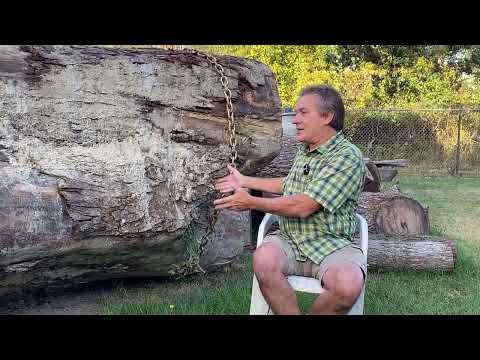
Shop Tour & Inventory
Tour John's shop in Whitmore Lake, explore live-edge slab inventory, and learn about hardwood species.
Watch film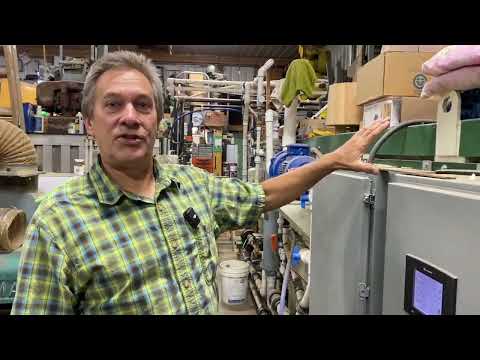
Vacuum Kiln Drying
John explains how vacuum kiln drying works, moisture testing, and why it prevents wood checking and warp.
Watch film